
Tips for buy trackless train from China
- Introduction — Why buying a trackless train from China can be smart for your amusement business
- Overview of opportunity
- Purpose of this guide
- Define requirements clearly before you contact manufacturers
- Capacity and layout requirements
- Propulsion, range, and operating environment
- Site limitations and dimensions
- How to evaluate manufacturers and protect purchase quality
- Look for experience, patents, and trade fair presence
- Verify certifications and standards compliance
- Factory audit checklist
- Technical specifications and a practical comparison
- Common trackless train specifications you should confirm
- Quick comparison table — typical ranges for trackless train types
- Quality control, testing and acceptance criteria
- Factory acceptance testing (FAT) checklist
- On-site acceptance testing and documentation
- Commercial terms: pricing, payment, MOQ and warranties
- How to compare quotes effectively
- Negotiating payment and warranty
- Logistics, shipping and customs considerations
- Packing, crating and transport modes
- Incoterms and customs clearance
- After-sales service and spare parts strategy
- Availability of spare parts and local service
- Training and documentation
- Payment of extra attention to safety and regulatory compliance
- Required safety devices and rider protection
- Insurance and operator licensing
- Checklist before placing an order
- Final procurement checklist
- Conclusion — Reduce risk, prioritize safety and long-term support
- Final recommendations
- Sources and references
Introduction — Why buying a trackless train from China can be smart for your amusement business
Overview of opportunity
Purchasing a trackless train from China can deliver strong price-performance advantages because many Chinese manufacturers specialize in amusement products and high-volume production. Buyers who know how to compare specifications, verify certifications, and manage logistics can obtain safe, well-supported equipment at competitive costs. The keyword trackless train reflects — buyers looking to purchase units for parks, malls, tourism sites, or rental businesses.
Purpose of this guide
This article provides practical, guidance to help procurement managers, park owners, and distributors buy a trackless train from China with minimal risk. It combines manufacturing, certification, and logistics advice plus checklists and a specification comparison table to support confident decision-making. The content reflects industry best practices and the buyer’s primary : find reliable suppliers and make an informed purchase.
Define requirements clearly before you contact manufacturers
Capacity and layout requirements
Start by defining passenger capacity (total passengers per train), number of cars, seating layout (face-to-face or single-row), and whether you need wheelchair accessibility. Typical train capacity ranges from 12 to 60 passengers depending on cars used. Clear specs reduce miscommunication and let suppliers quote accurately when selling a trackless train.
Propulsion, range, and operating environment
Decide whether you want battery-electric, diesel, or gas-powered drive. For indoor malls and family entertainment centers, battery-electric is common. For outdoor tourist routes, both battery-electric and diesel options exist. Define required operating hours per day and expected route length so vendors can size battery capacity or fuel tank accordingly.
Site limitations and dimensions
Provide the supplier with maximum permitted train length, turning radii, ramp gradients and door clearances. Asking for a site plan with turning curves and loading/unloading points early will ensure the trackless train fits your environment.
How to evaluate manufacturers and protect purchase quality
Look for experience, patents, and trade fair presence
Choose suppliers with proven experience in amusement equipment and visible industry participation. For example, Guangzhou Huaqin Playground Equipment Co., Ltd (founded 2003) emphasizes design, production and after-sales for amusement machines and holds many design patents. Suppliers that attend trade fairs and are IAAPA members typically prioritize safety and market reputation.
Verify certifications and standards compliance
Ask for copies of certifications including CE (for EU markets) and factory quality management certificates. Relevant safety standards for amusement rides include EN 13814 (EU) and ASTM F2291 (design of amusement rides, US practice). Also verify supplier internal QA procedures. Certifications and standard compliance are key when importing or operating a trackless train.
Factory audit checklist
Whenever possible, conduct or commission a factory audit. Important items: production capacity, paint and welding quality control, electrical testing lab, assembly process, test track area, final inspection records, and spare parts inventory. Confirm whether the supplier keeps test records for load testing, braking performance, and battery endurance for a trackless train.
Technical specifications and a practical comparison
Common trackless train specifications you should confirm
Request detailed technical sheets that include vehicle length, width, turning radius, gross vehicle weight, power type, motor power, battery capacity (Ah), cruising speed, charging time, maximum gradeability, braking system, and safety devices (seat belts, emergency stop, horn, lighting). These technical parameters directly affect operational suitability and running cost.
Quick comparison table — typical ranges for trackless train types
Use this table to benchmark offers. Values are typical industry ranges; ask suppliers for exact test data for their models.
| Specification | Battery-Electric Trackless Train | Diesel/Gas Trackless Train |
|---|---|---|
| Typical top speed | 6–12 km/h | 10–15 km/h |
| Passenger capacity (typical) | 12–60 passengers | 12–60 passengers |
| Operating time per charge | 6–12 hours (depending on battery size) | N/A (continuous operation with refuels) |
| Charging/refuel requirement | 4–8 hours charge; fast chargers reduce time | Refuel in minutes |
| Noise & emissions | Low noise, zero local emissions | Higher noise and emissions; not ideal for indoor use |
| Typical lifecycle maintenance | Battery replacements after 3–6 years (depending on use) | Engine and exhaust maintenance regular |
Quality control, testing and acceptance criteria
Factory acceptance testing (FAT) checklist
Before shipment, require a Factory Acceptance Test for the trackless train that includes visual inspection, electrical insulation tests, braking performance, battery endurance, steering function, safety device operation, and a loaded test run. Obtain written test reports and videos when a physical visit is not possible.
On-site acceptance testing and documentation
At arrival, perform Site Acceptance Tests (SAT) that replicate operating conditions: full passenger load test, ramp and curb clearance, brake redundancy, and emergency stop tests. Ask the vendor to provide user manuals, parts lists, maintenance schedule, and a basic spare parts kit. Ensure documentation includes troubleshooting and wiring diagrams for a trackless train.
Commercial terms: pricing, payment, MOQ and warranties
How to compare quotes effectively
When comparing quotes for a trackless train, align all offers to the same scope: number of cars, auxiliary equipment (lighting, PA system), spare parts, training, warranty terms, packaging, and Incoterms. A low FOB price may hide expensive shipping, customs or spare parts costs.
Negotiating payment and warranty
Standard payment terms for first-time purchases usually include 30% deposit and 70% balance before shipment or upon sight of documents. Negotiate warranty coverage for at least 12 months for mechanical and electrical components, extended support for battery systems, and clear terms for spare parts supply. Consider letters of credit for higher-value orders to reduce financial risk.
Logistics, shipping and customs considerations
Packing, crating and transport modes
Trackless trains are typically shipped by container (disassembled) or RoRo/flat-rack for fully assembled units. Confirm the supplier’s packing method to prevent damage: corrosion protection, secure fastening, and waterproof covers. For a trackless train, small parts and electronics should be boxed and labeled separately.
Incoterms and customs clearance
Agree Incoterms early (FOB, CIF, DDP) so you know who handles freight, insurance and import clearance. DDP (Delivered Duty Paid) offers convenience but costs more. Confirm HS codes and local import duties with a customs broker to avoid surprises for a trackless train import.
After-sales service and spare parts strategy
Availability of spare parts and local service
Ask the manufacturer for a recommended spare parts list and estimated monthly consumption. Good suppliers maintain a stock of critical spares and can ship replacements quickly. Consider stocking consumables such as brake pads, fuses, control relays, and battery cells for a trackless train to reduce downtime.
Training and documentation
Ensure the vendor includes operator training, maintenance training, and translated manuals. Remote support and video troubleshooting reduce service response time. Confirm whether the manufacturer can provide a local service partner or authorized technician for ongoing support.
Payment of extra attention to safety and regulatory compliance
Required safety devices and rider protection
Standard safety features include seat belts, anti-rollback systems, emergency stop buttons, audible warning devices, and pedestrian warning lights. For commercial operation, regulatory bodies may require additional measures; always check local ride operating permits before opening to the public.
Insurance and operator licensing
Before operation, finalize insurance for public liability and equipment. Train staff on safe boarding procedures and routine pre-operation checks. Proper operator training reduces risk and insurer claims related to a trackless train.
Checklist before placing an order
Final procurement checklist
1) Specification sheet accepted and signed by both parties. 2) Copies of certifications and test reports. 3) Warranty and spare parts agreement in contract. 4) Factory audit report or third-party inspection arranged. 5) Agreed Incoterms and delivery schedule. 6) Payment terms and letter of credit (if used). 7) Training and acceptance testing commitments for the trackless train.
Conclusion — Reduce risk, prioritize safety and long-term support
Final recommendations
Buying a trackless train from China can be an excellent investment if you follow a structured procurement process: define needs, vet manufacturers, verify certifications, insist on FAT/SAT, lock spare parts supply and train operators. Emphasize safety and clear contractual terms to protect your capital and passengers. Suppliers with long industry experience, patents and trade fair presence — such as Guangzhou Huaqin Playground Equipment Co., Ltd — can offer the expertise and after-sales support buyers need.
Frequently Asked Questions
Q: How long does manufacturing and delivery of a trackless train from China typically take?A: Lead time varies by order size and customization — typical manufacturing time is 30–90 days after deposit; shipping adds 2–6 weeks depending on transport mode and destination.
Q: Do I need CE certification to import a trackless train into the EU?A: CE marking indicates conformity with EU safety directives. For amusement devices, conformity to relevant EU standards (e.g., EN 13814) and CE requirements is necessary for operation in many European countries.
Q: What warranty period should I expect when buying a trackless train from China?A: A typical warranty is 12 months for mechanical and electrical parts. Negotiate spare parts availability and extended warranty options for battery systems.
Q: Can I get a site-specific design or custom paint scheme?A: Yes — most manufacturers offer customization (colors, branding, audio systems). Confirm additional costs and lead time for custom work.
Q: How can I reduce payment risk when ordering from a new supplier?A: Use secure payment methods (documentary LC), request third-party inspection pre-shipment, or pay balance after successful FAT/SAT. Verify supplier references and trade fair presence.
Sources and references
- Company profile provided by Guangzhou Huaqin Playground Equipment Co., Ltd (founding year, product range, patents, certifications)
- IAAPA — industry association resources on amusement ride safety and best practices
- EN 13814 — Safety of amusement rides and amusement devices (general safety requirements)
- ASTM F2291 — Standard practice for design of amusement rides and devices
- ISO 12100 — Safety of machinery — General principles for design — Risk assessment and risk reduction
- ICC Incoterms 2020 — International trade terms and responsibilities
Tips for buy bumper car kids from China
Top 10 trackless train Manufacturers and Supplier Brands
Custom Paint and Branding for Park Trains
How to Start a Cotton Candy Vending Machine Business: Step-by-Step Guide
Basic FAQs
If I Can Get a Discount by Buying More Than 1 Piece?
Yes, as original amusement machine factory, we offer a favorable discount for more quantity. 2 pieces price is lower than 1 piece order. Please talk to our professional sales team.
About Customization
If I Can Add Card Reader for Amusement Machines?
Yes, for each model of machine, there is a plug to install the card reader for card system easy management.
About Safety
If Machine Could Be Equipped with a Special Safety Belt for Extra Protection?
Yes, we could install the shoulder 3 points type safety belt.
About Battery
What is the Difference Between Lead Acid Battery and Lithium Battery?
99% of our machines are using lead acid battery. Because, lead acid battery will NEVER get fire even shortcut. It only emit the acid liquid. Lithium battery get big fire if shortcut or high temperature.
Lead acid battery is much lower cost. Only 1/3 or 1/4 cost comparing to lithium battery. The only advantage of lithium battery is smaller size and lighter weight.
About ROI
Can you help with revenue projections?
Absolutely. We offer tailored ROI estimates based on your site and customer profile.
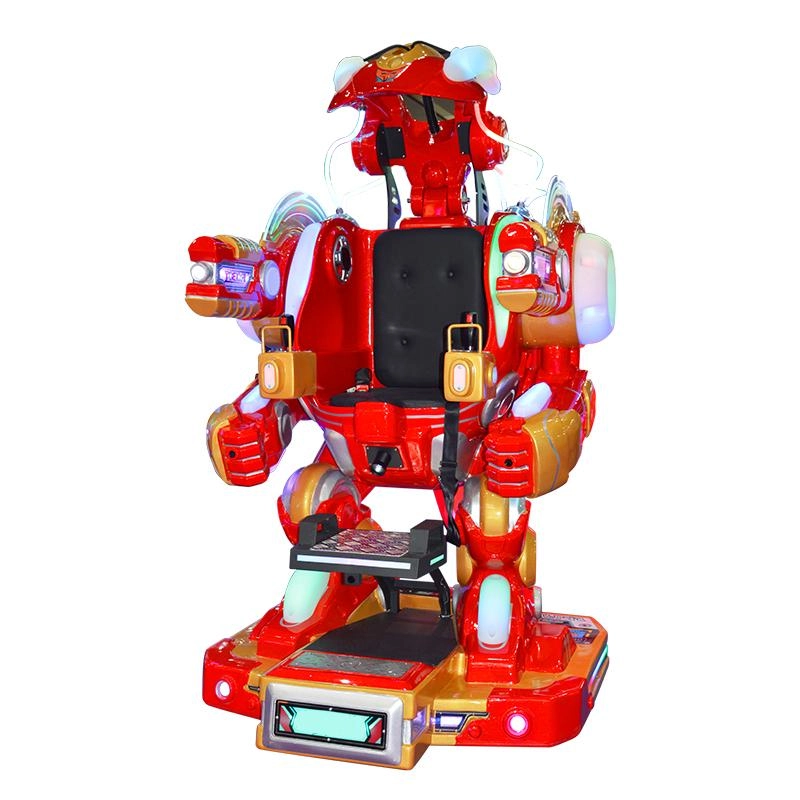
Walking robot II - Hot Amusement Ride Business Sturdy Fiberglass Shell Robot Kiddie Ride for sale
The Walking Robot II is a hot-selling amusement ride designed to draw attention and deliver thrilling fun. Built with a sturdy fiberglass shell and coated with automotive-grade paint, it offers vibrant colors and lasting durability. Featuring comfortable seating, intuitive controls, and a reliable drive system, this kiddie ride is perfect for shopping malls, plazas, and amusement parks seeking to boost foot traffic and enhance customer experiences.
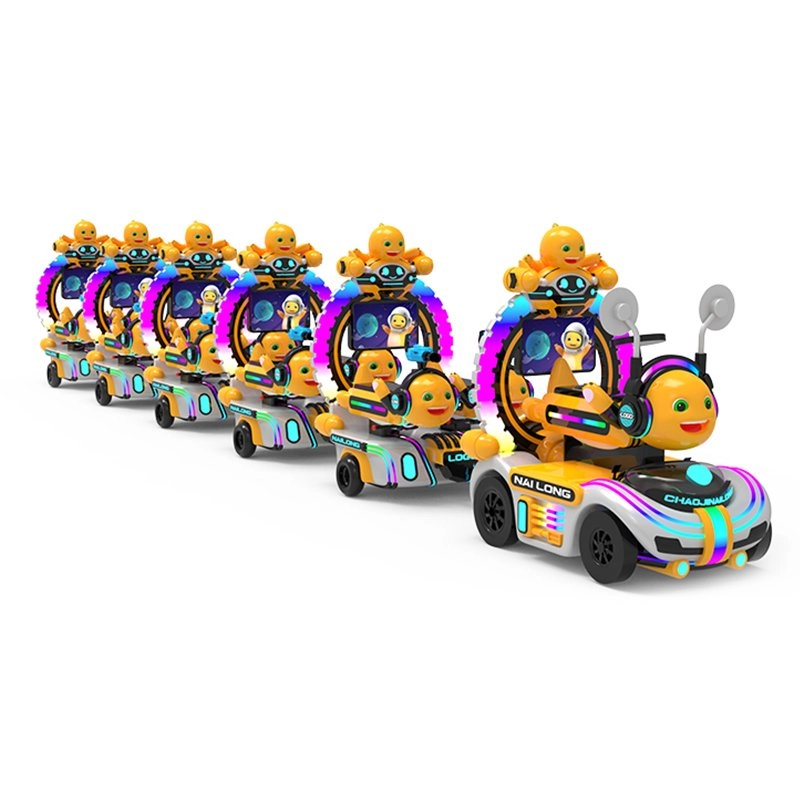
Nai Long Escort Little Train - ODM OEM China Trackless Train Manufacturer Electric Mini Train Choice For Trackless Train Rental Cost Business
The Nai Long Escort Mini Trackless Train combines a vibrant yellow-and-purple color scheme with a playful, high-tech design. Each carriage features 3D Nai Long figures holding two cannons, surrounded by near-complete LED light rings, creating a lively “Nai Long Guard” theme. Built from durable fiberglass, it seats 22 riders and comes with high-definition gaming screens, simulated toy guns, moving seats, LED lights, and oversized realistic tires. Ideal for family entertainment centers, plazas, and amusement parks, buyers can also use it to provide trackless train rentals, expanding their entertainment business and revenue streams.
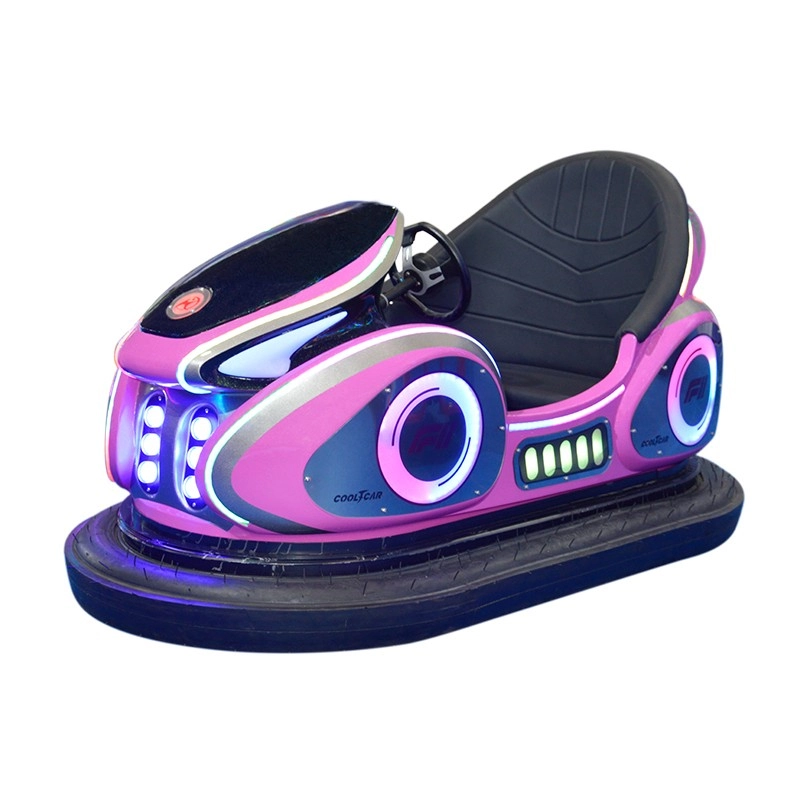
Shadow Speed Bumper Car - Commercial 360 Battery Bumper Car Factory LED Flow Lights Vintage Bumper Car For Sale
The Shadow Speed Bumper Car is a vintage bumper car with a retro race car body, upgraded for today’s venues. Built by a professional bumper car factory, it offers thrilling 360° spins, LED flow lights, and smooth all-directional joystick control. Powered by a durable battery bumper car system, it supports double players for family fun. As a reliable commercial bumper car, it’s ideal for carnivals, malls, and amusement parks, blending nostalgic design with modern technology to attract crowds and maximize operator revenue.
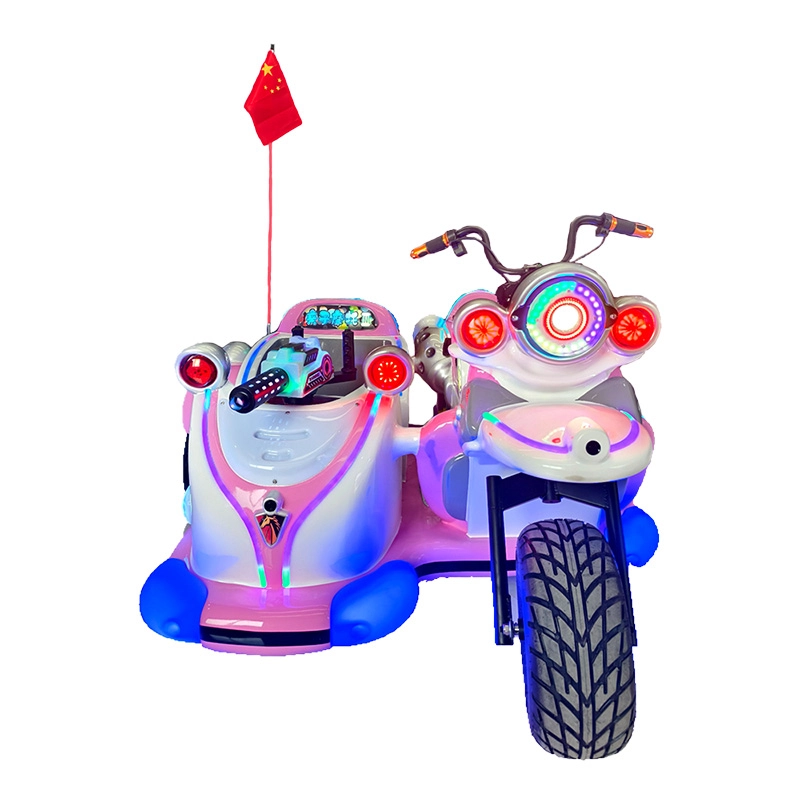
Parent-Kids Motorbike III - Pet-Friendly Flag Holder Amusement Motorcycle Kiddie Ride for Outdoor Plaza Business
The Parent-Kids Motorbike III is a best-selling outdoor kiddie ride designed for family fun. With a stylish motorbike body inspired by police models, it features a rear flag holder, a co-seat for pets, and an interactive toy gun for added play value. Built for durability and comfort, it’s perfect for plazas, malls, and amusement parks to attract families and boost business.
Contact us

ftm@cnhuaqin.com

+86 139 2886 1491

Floor 3-4,8th Plant, No.22 First Street, Daban Industrial Park, Tinggen Village, Shatou Street, Panyu District, Guangzhou City, China.
Whatsapp: +8613928861491
Facebook
Twitter
YouTube